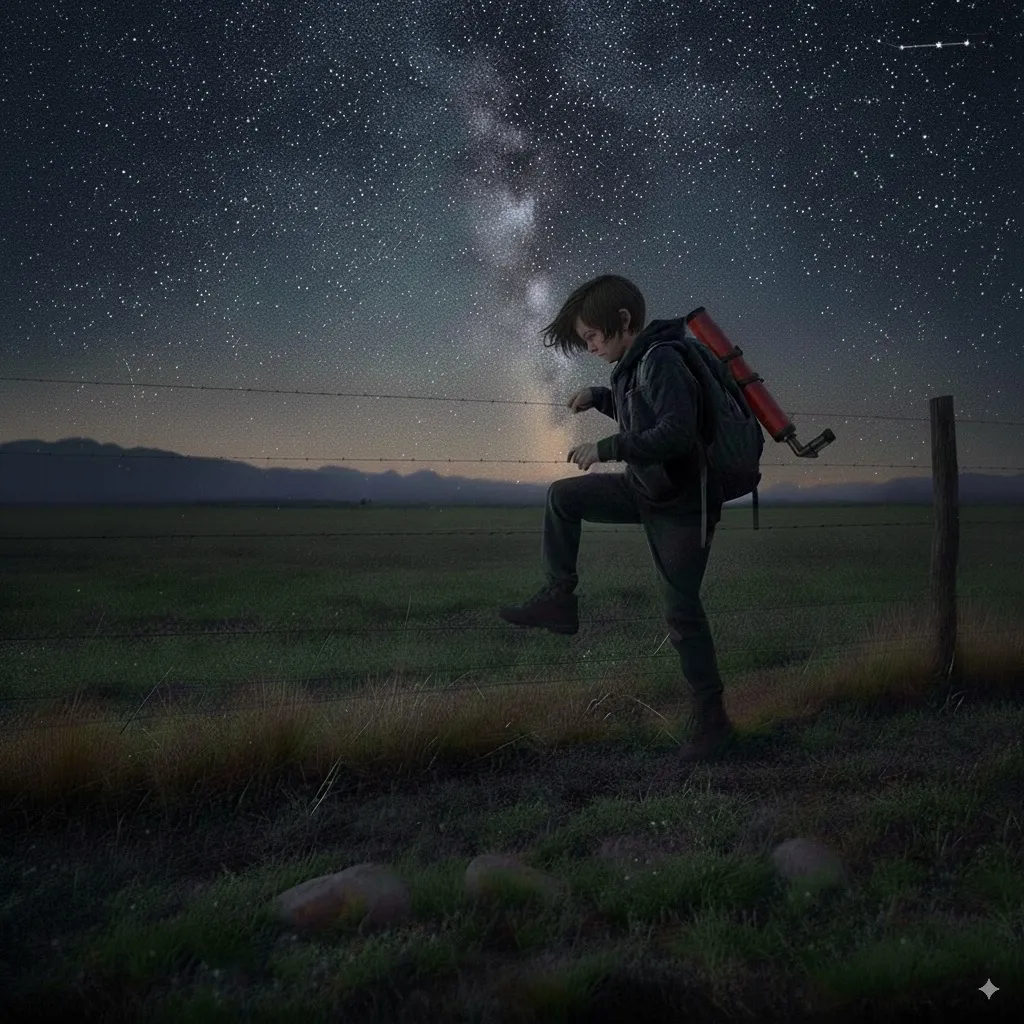
Welcome to the world of astrophotography, where capturing the beauty and mystery of the cosmos has been a passion for Richard Harris for over 4 decades. As the founder and editor-in-chief of ScopeTrader, Richard combines his deep knowledge of astronomy with an artistic eye for photography, creating stunning images that have captivated audiences across the globe. His work at the Ozark Hills Observatory not only showcases his technical prowess but also highlights his commitment to pushing the boundaries of what we can see in the night sky.
Richard's journey in astrophotography is more than just a hobby; it's a lifelong dedication to understanding and sharing the wonders of space. His contributions, including The Harris Paradox, have earned him recognition in academic circles and beyond, making him a respected figure in both scientific research and amateur astronomy communities. This article aims to explore Richard Harris Astrophotos and what makes his work unique, providing insights into how anyone can appreciate and perhaps even engage with this mesmerizing field.
Understanding the Basics of Richard Harris Astrophotos
Astrophotography is a blend of science and art that requires both technical skill and creative vision. When it comes to Richard Harris Astrophotos, the process starts with selecting the right equipment, which often includes high-end telescopes, specialized cameras, and various filters to capture specific wavelengths of light from celestial objects. The choice of equipment can greatly influence the quality and detail of the final images.
Richard's approach to astrophotography involves meticulous planning and execution. He spends countless hours analyzing weather patterns, moon phases, and star positions to determine the optimal time for capturing specific celestial events or phenomena. This level of preparation is crucial in ensuring that each photograph captures the full beauty and complexity of the night sky.
The process doesn't end with taking the pictures; it extends into post-processing where Richard uses advanced software tools to enhance the clarity and color accuracy of his images. Techniques such as stacking multiple exposures, noise reduction, and color calibration are essential steps in bringing out the finest details from each photograph. These techniques not only improve the visual appeal but also provide scientific value by revealing subtle features that might be overlooked otherwise.
The Artistry Behind Richard Harris Astrophotos
While technical proficiency is vital in astrophotography, it's the artistic vision of an individual like Richard Harris that truly sets their work apart. His photographs often go beyond mere documentation and delve into storytelling through imagery. By carefully choosing compositions and angles, Richard aims to evoke emotions and provoke thought about our place in the universe.
Richard's work is characterized by a balance between scientific accuracy and aesthetic appeal. He often incorporates elements of landscape photography by including terrestrial features such as mountains or forests in his frames, creating a sense of scale that highlights the vastness of space. This approach not only adds depth to the photographs but also makes them more relatable to viewers who might be new to astrophotography.
Another aspect of Richard's artistry is his willingness to experiment with different techniques and technologies. From using adaptive optics to reduce atmospheric distortion to employing multi-band imaging to capture the full spectrum of light emitted by celestial objects, he constantly seeks ways to innovate and push the boundaries of what can be achieved in astrophotography.
The Educational Impact of Richard Harris Astrophotos
Richard's contributions extend far beyond his photographs; they serve as powerful educational tools that inspire curiosity about astronomy among people of all ages. Through various platforms such as ScopeTrader and public lectures, he shares knowledge about the cosmos in an engaging and accessible manner.
The Harris Paradox, for instance, is a theoretical concept that challenges conventional wisdom by proposing new ways to interpret deep-field observations. This work has been featured in academic journals and textbooks, contributing significantly to the scientific community's understanding of cosmology. By bridging the gap between complex theories and everyday understanding, Richard ensures that his research reaches a broader audience.
Moreover, Richard actively participates in outreach programs aimed at schools and community centers, where he demonstrates how astrophotography can be used as an educational tool to teach concepts like scale, motion, and composition. Through hands-on workshops and interactive presentations, he encourages young minds to explore the wonders of space and think critically about scientific processes.
Engaging with Richard Harris Astrophotos
If you're interested in exploring astrophotography yourself or simply want to learn more about the universe through Richard Harris' lens, there are several ways to get involved. ScopeTrader offers a range of resources and guides that cater to both beginners and seasoned enthusiasts alike.
For those just starting out, beginner kits and starter packages can provide all the necessary equipment and guidance needed to capture your first images of celestial objects. These packages typically include basic telescopes, cameras, and software tools, along with detailed instructions on setup and operation.
More experienced photographers might benefit from advanced workshops and training sessions led by Richard himself or other experts in the field. These sessions cover topics such as image processing techniques, telescope modifications for astrophotography, and strategies for capturing rare celestial events like meteor showers or planetary transits.
In addition to hands-on learning opportunities, ScopeTrader also offers a vibrant online community where enthusiasts can share their experiences, ask questions, and receive feedback from peers. This platform serves as a support network for those looking to improve their skills and connect with others who share similar passions.

The Ozark Hills Observatory is dedicated to fostering a deep and profound connection between humanity and the God of our universe. Our mission revolves around providing a space for astronomical exploration, education, and appreciation in the serene embrace of the Ozark Hills. With state-of-the-art telescopes and a commitment to preserving the natural beauty of our surroundings, we strive to inspire a sense of wonder and curiosity about the cosmos. Whether you're a seasoned astronomer or a curious novice, the Ozark Hills Observatory invites you to gaze upward, unravel the mysteries of the night sky, and unlock the boundless treasures of our universe.
Gallery Preview

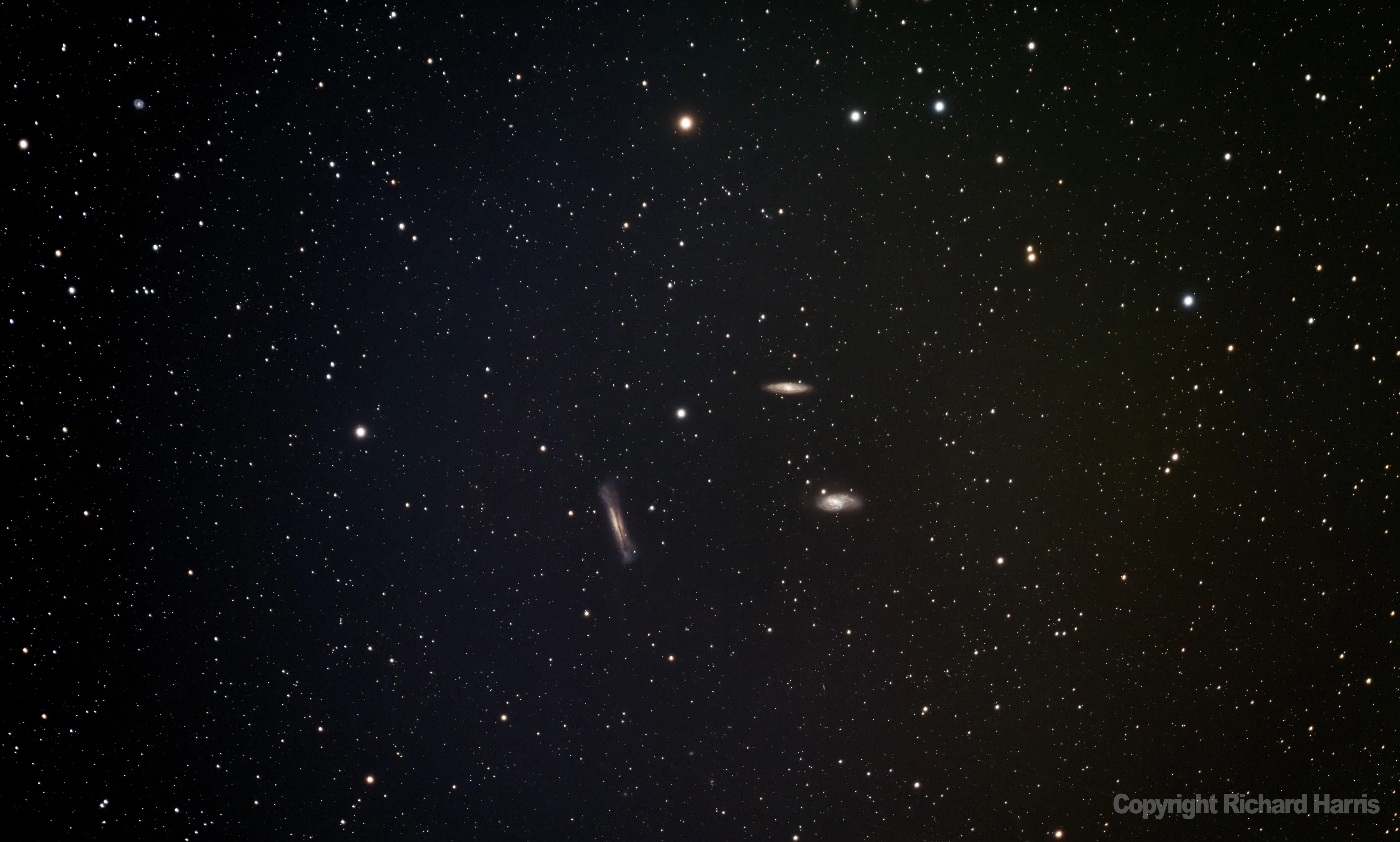

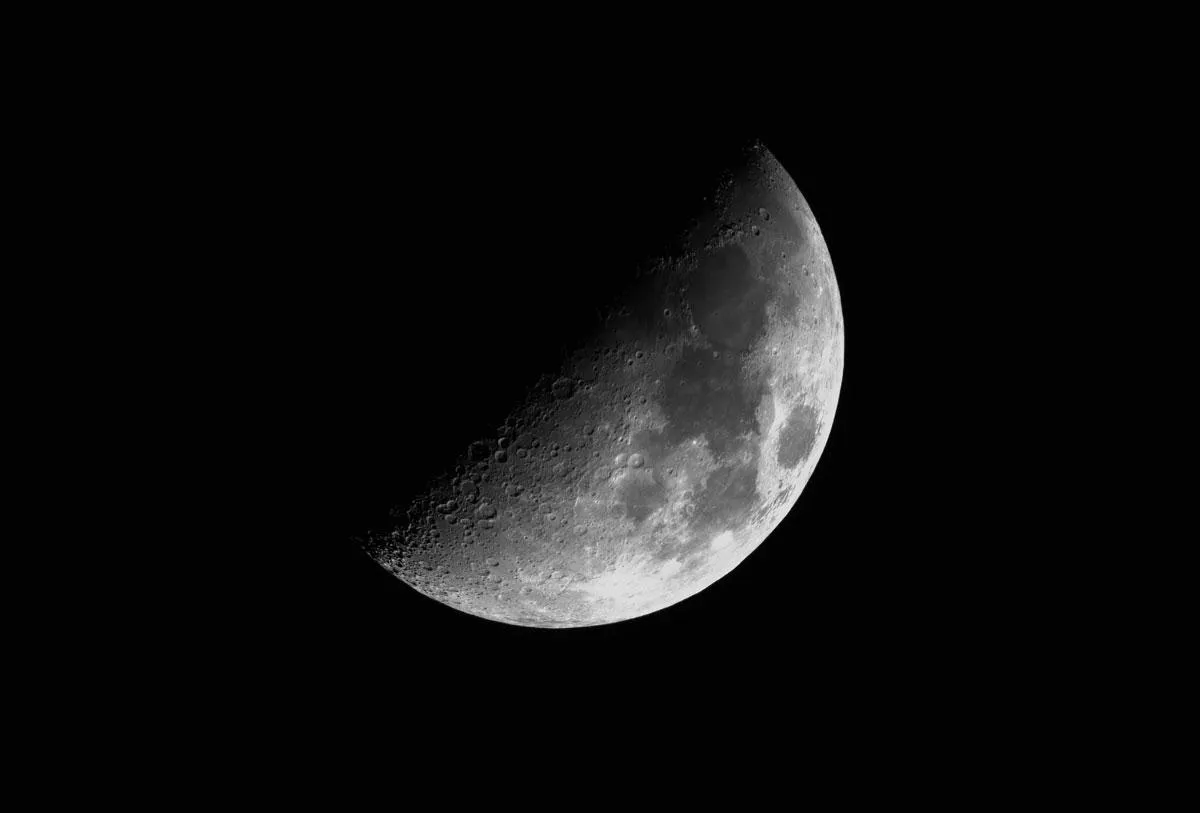
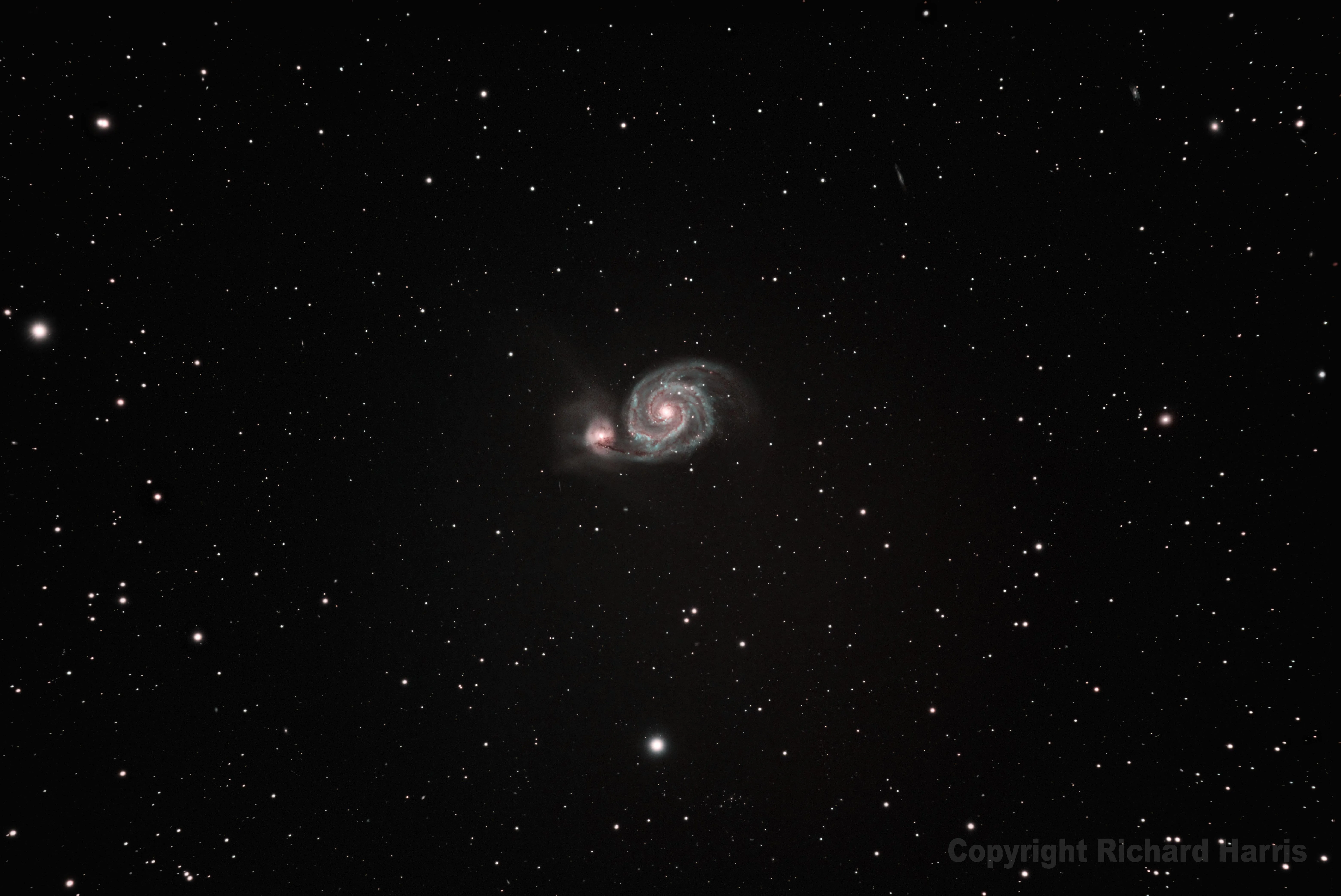

Newsletter
Enter your email address to get updates from the observatory, including new photo posts.