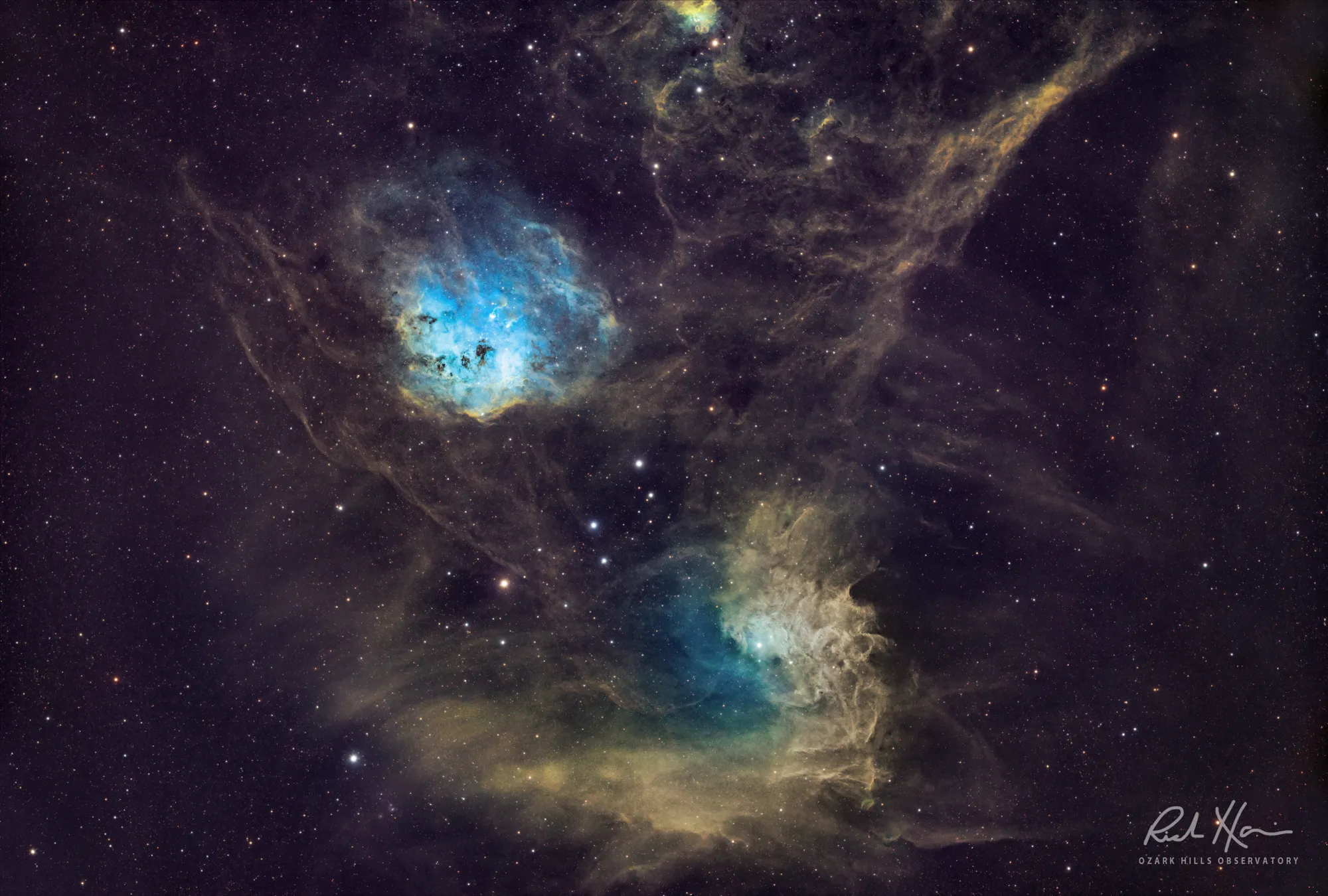
Trifid and Lagoon Nebulae captured together by amature astronomer Richard Harris at Ozark Hills Observatory using a 4" Takahashi telescope and 62 megapixel camera.
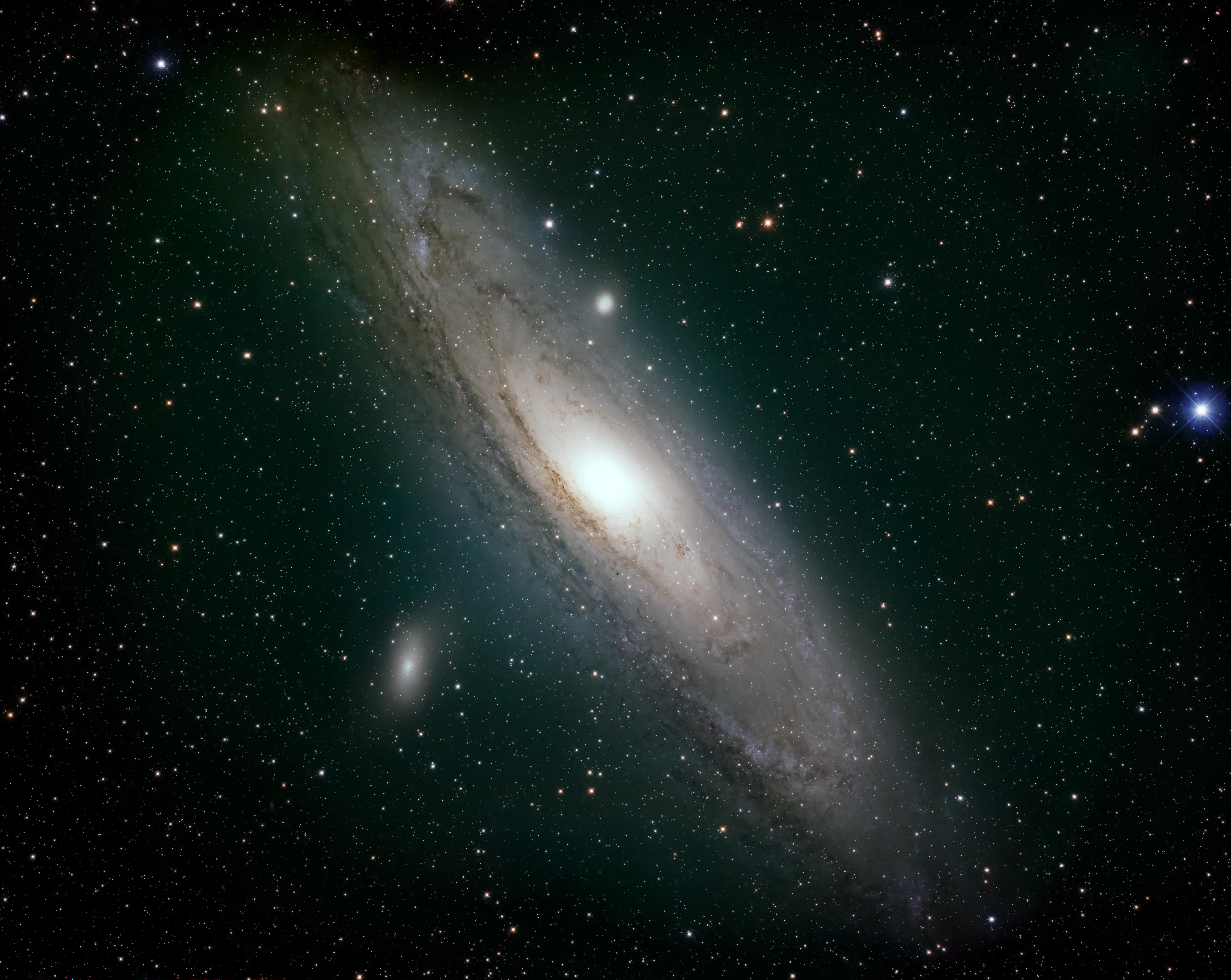
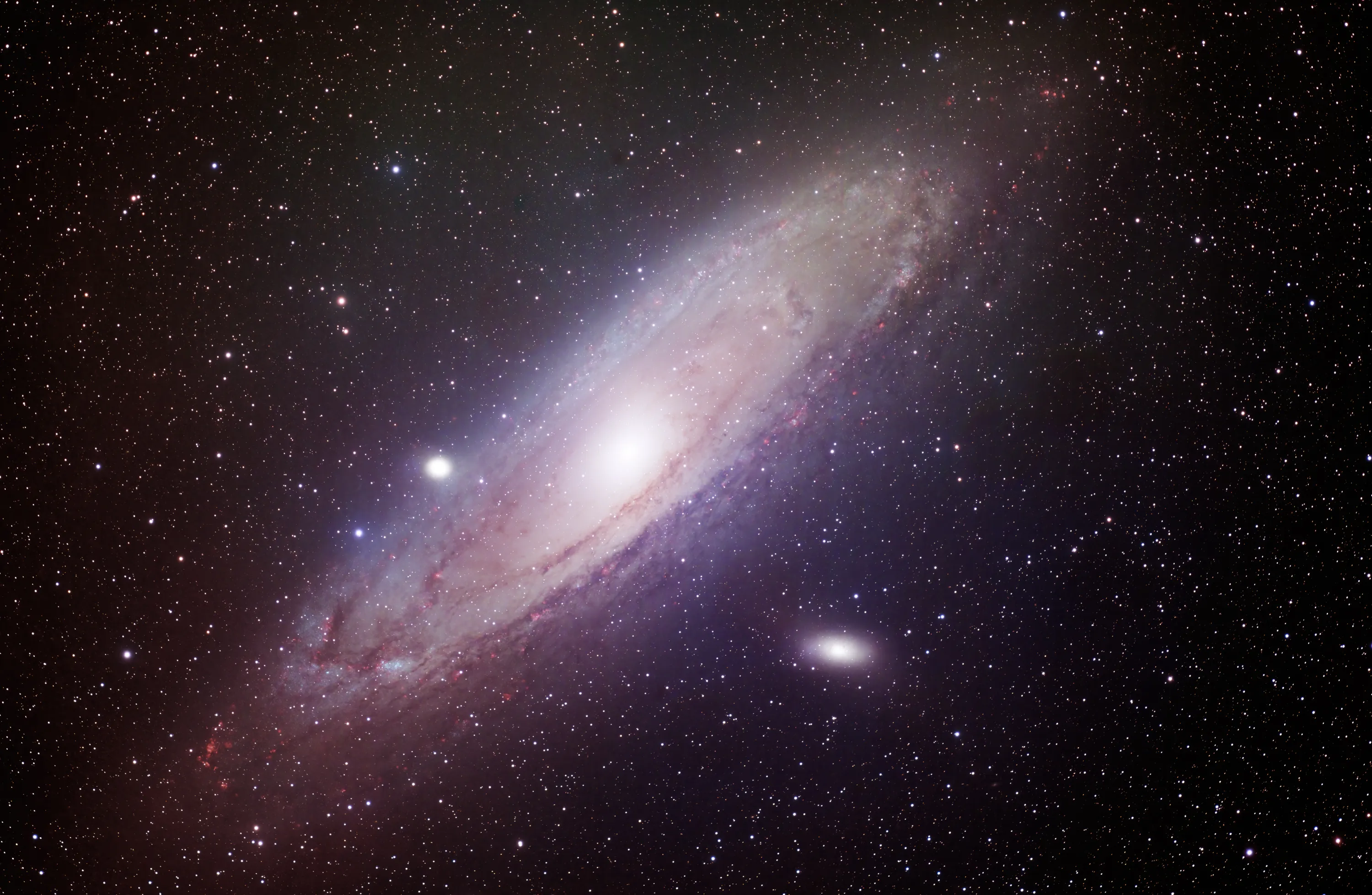
Under a stretch of rare clear skies, I set out to capture M31, the Andromeda Galaxy, in one night using the Takahashi Epsilon 160ED and ATIK 16200, gathering nearly five hours of LRGB data for a closer look at our neighboring island universe.
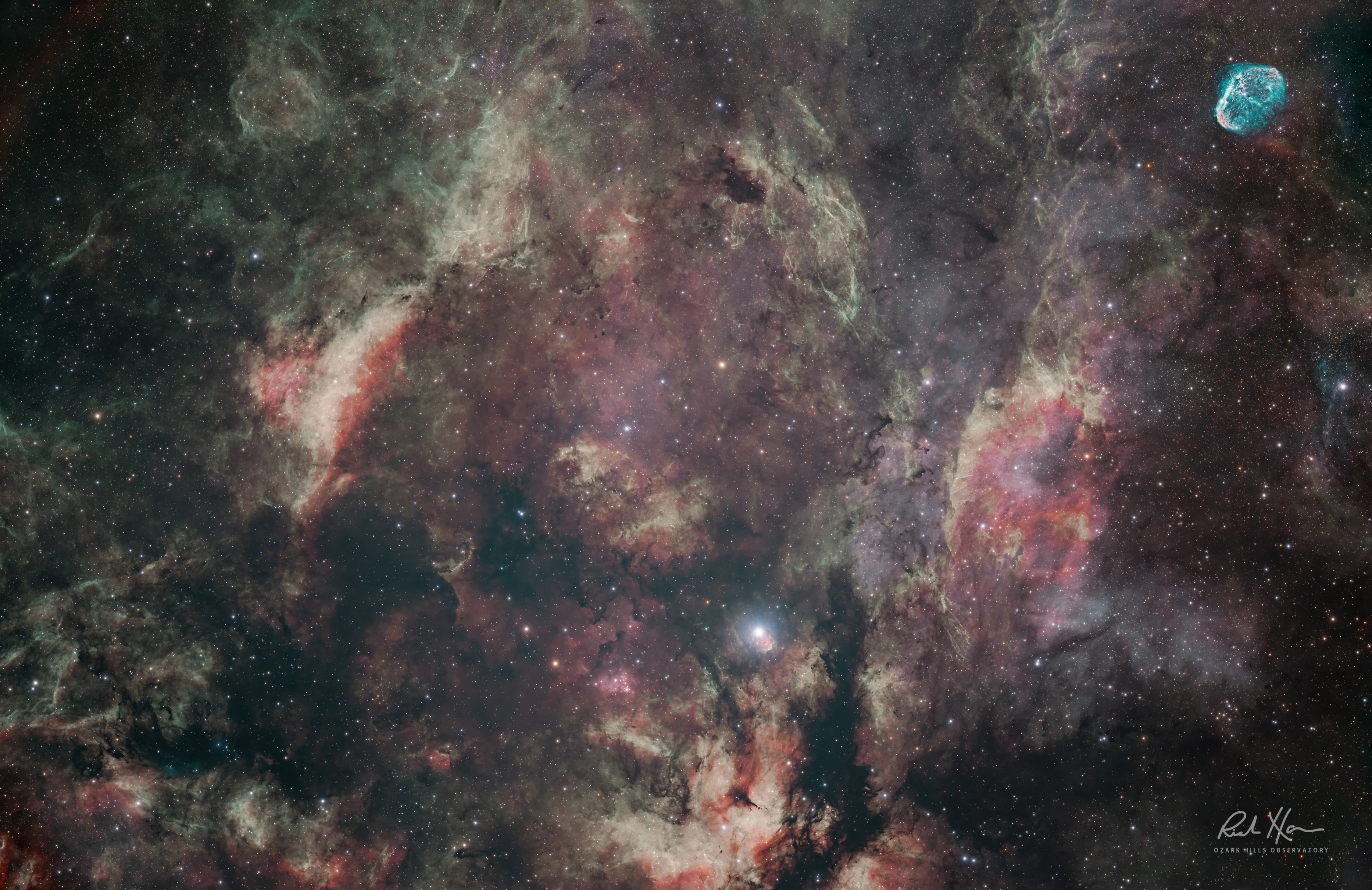
Explore the Sadr Region in stunning detail with a 25-hour deep-sky image capturing the Crescent Nebula and surrounding structures in Cygnus. Shot from the Ozarks using narrowband and LRGB filters, this wide-field view reveals hidden beauty in the heart of the Milky Way.
Stunning widefield view of NGC 1893 and IC 405 nebulae, captured with the Takahashi FSQ106 EDX4 by Richard Harris at Ozark Hills Observatory. This vibrant image reveals vivid cosmic colors and intricate nebular structures, showcasing deep-sky wonders in breathtaking detail.
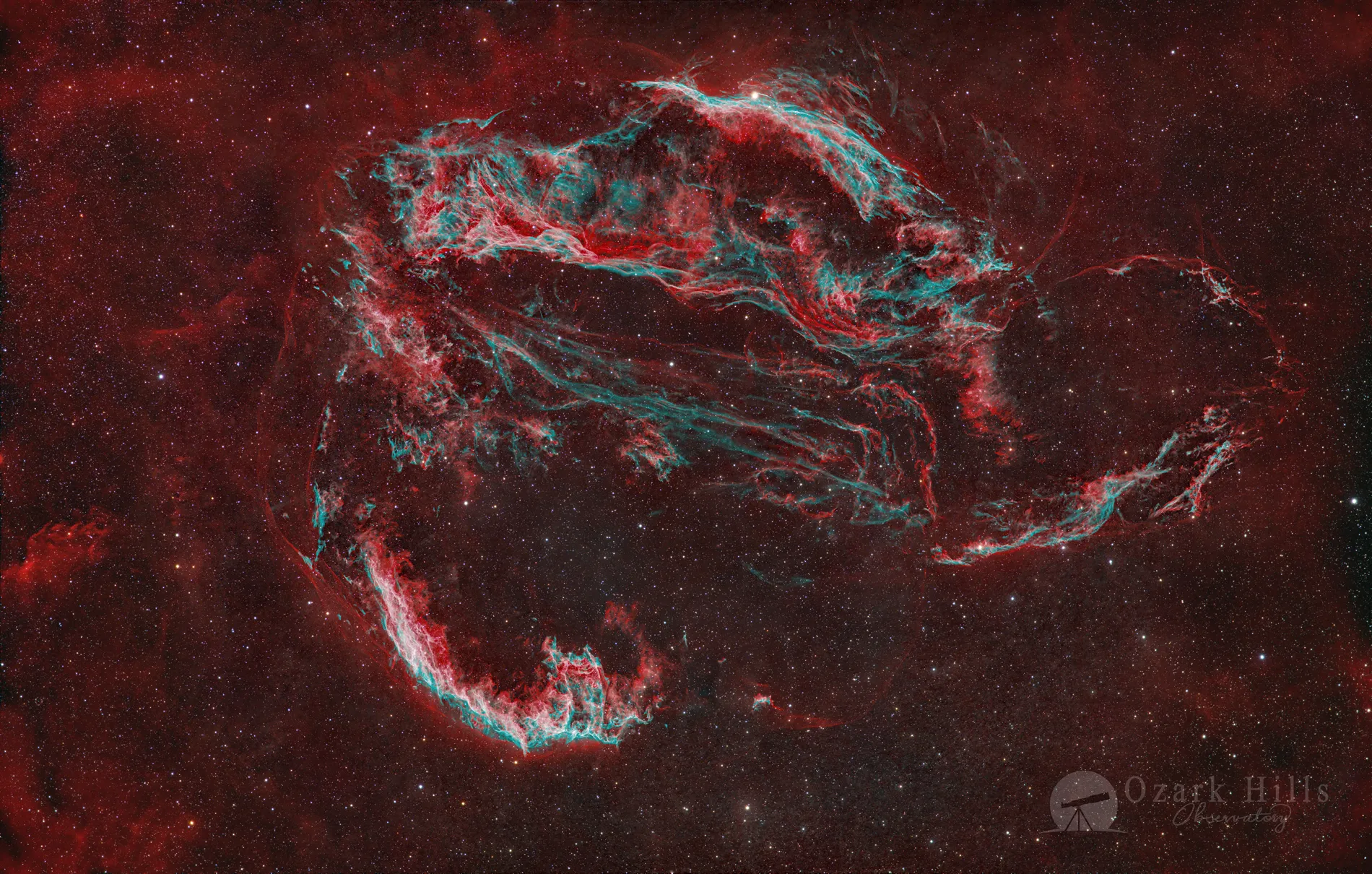
Astrophoto of the Veil Nebula, captured with a Takahashi FSQ-106 EDX4 telescope by astrophotographer Richard Harris, showcasing both the Eastern and Western sides against the backdrop of the scenic Ozark Hills.
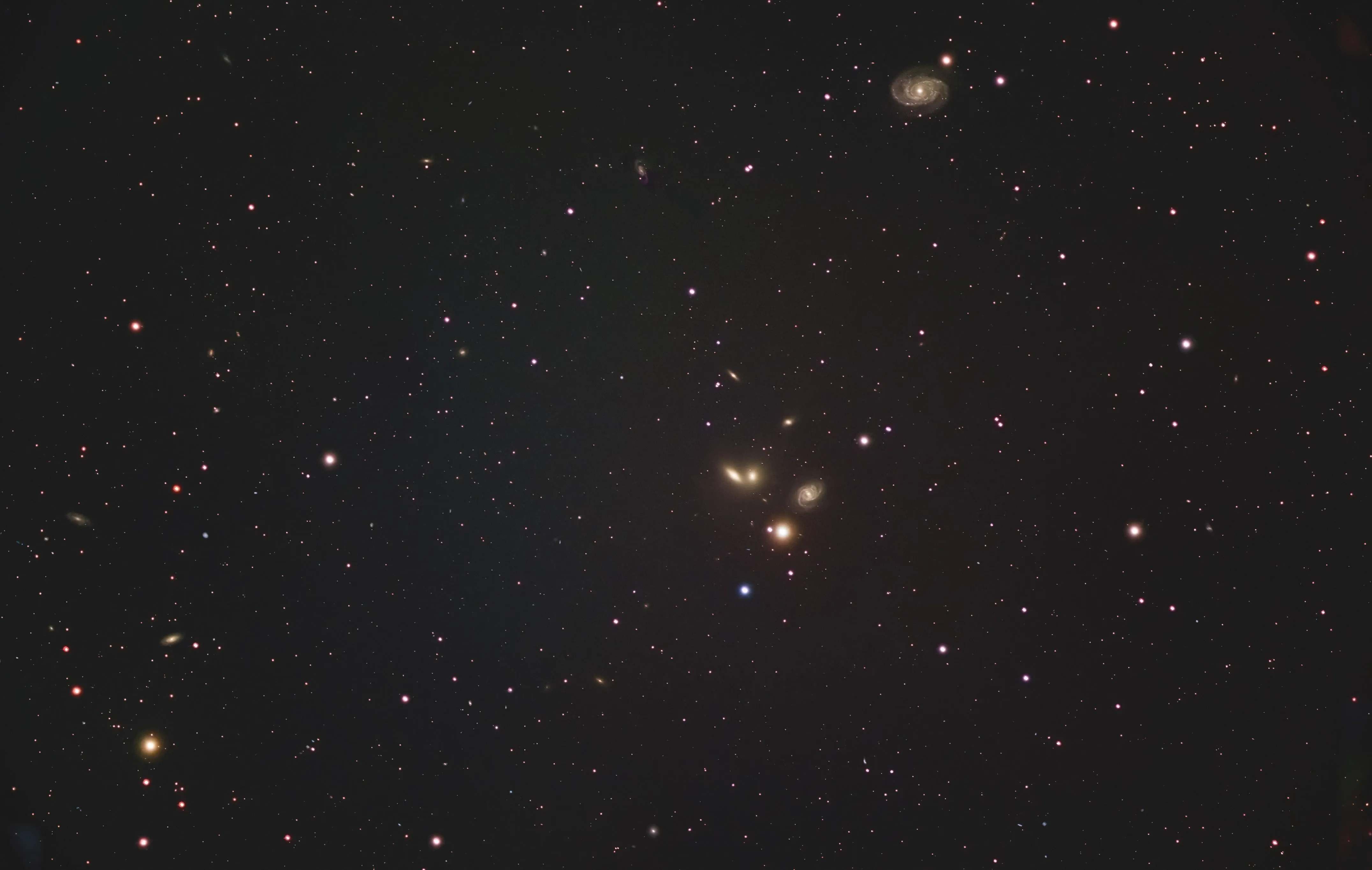
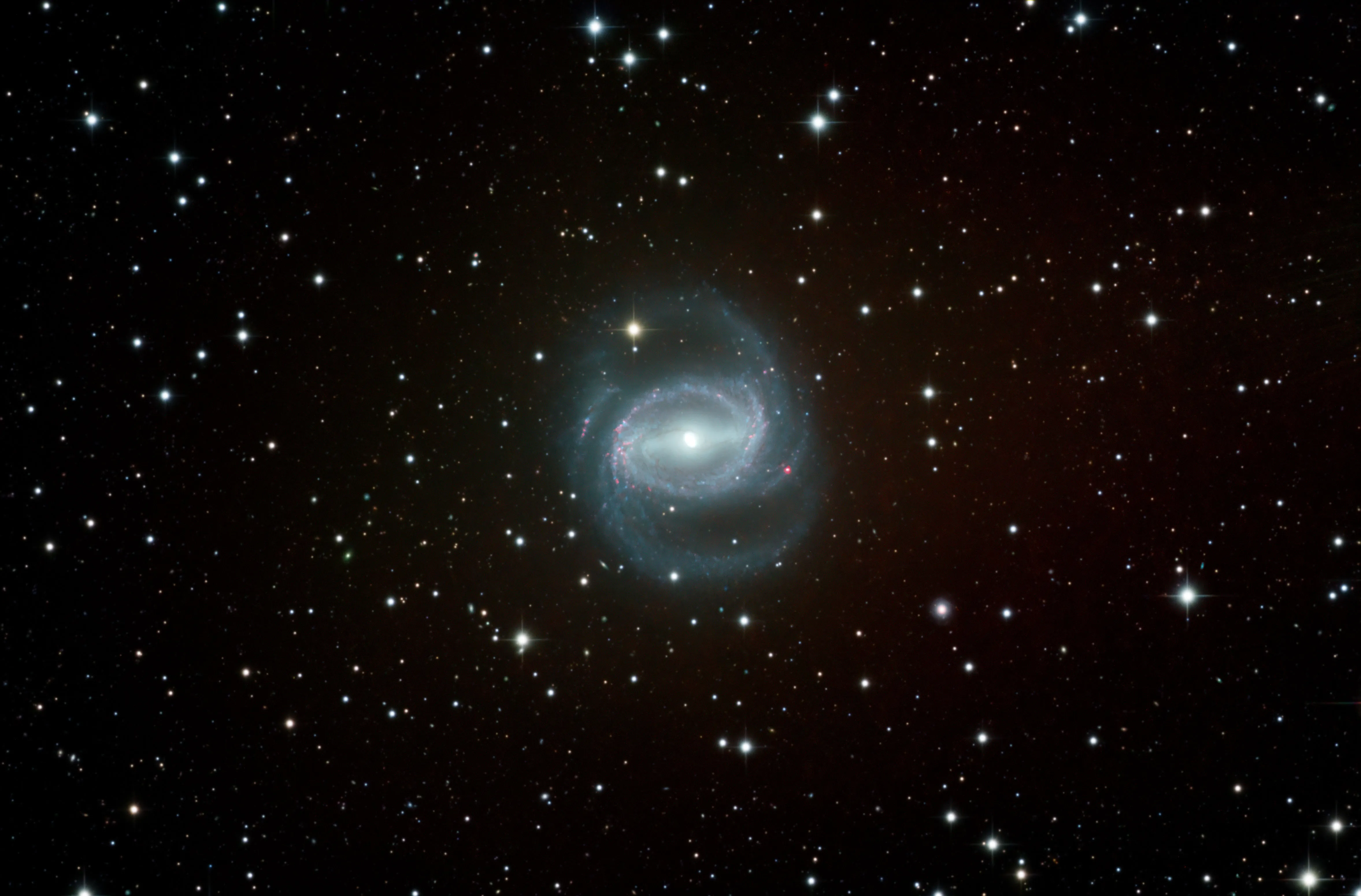
We explore the majestic NGC 5353 and its surrounding galaxy group, Hickson Group 68 (HCG 68) using our TEC 180 FL telescope. A rarely photographed object, we captured NGC 5353, its interaction with neighboring galaxies, and what these phenomena reveal about the universe's vast, intricate tapestry.
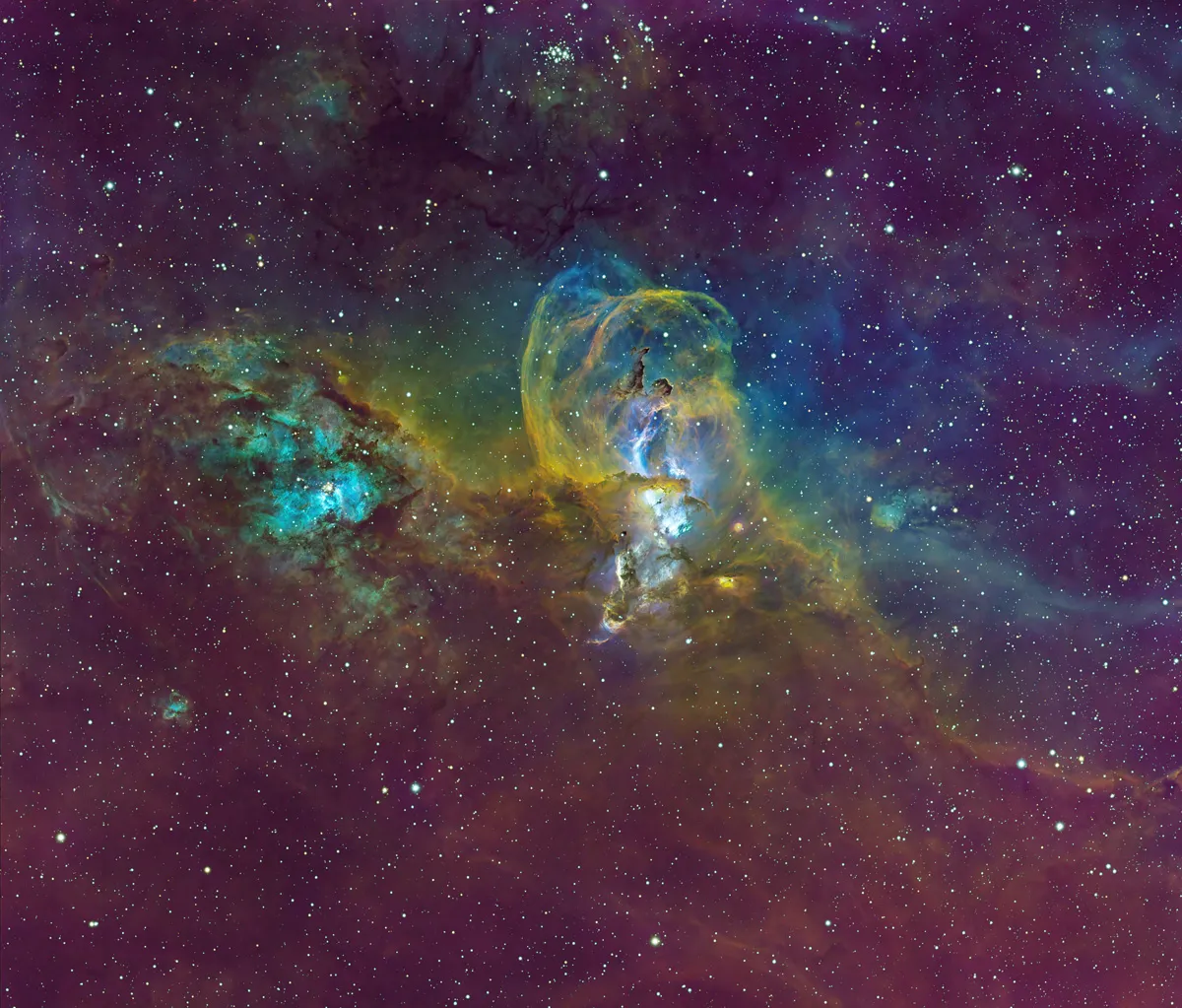
The Statue of Liberty Nebula NGC 3576 is a stunning emission nebula located in the Carina constellation. This awe-inspiring celestial wonder, situated approximately 9,000 light-years away from Earth, and almost the size of the full moon offers a vivid spectacle in the night sky.
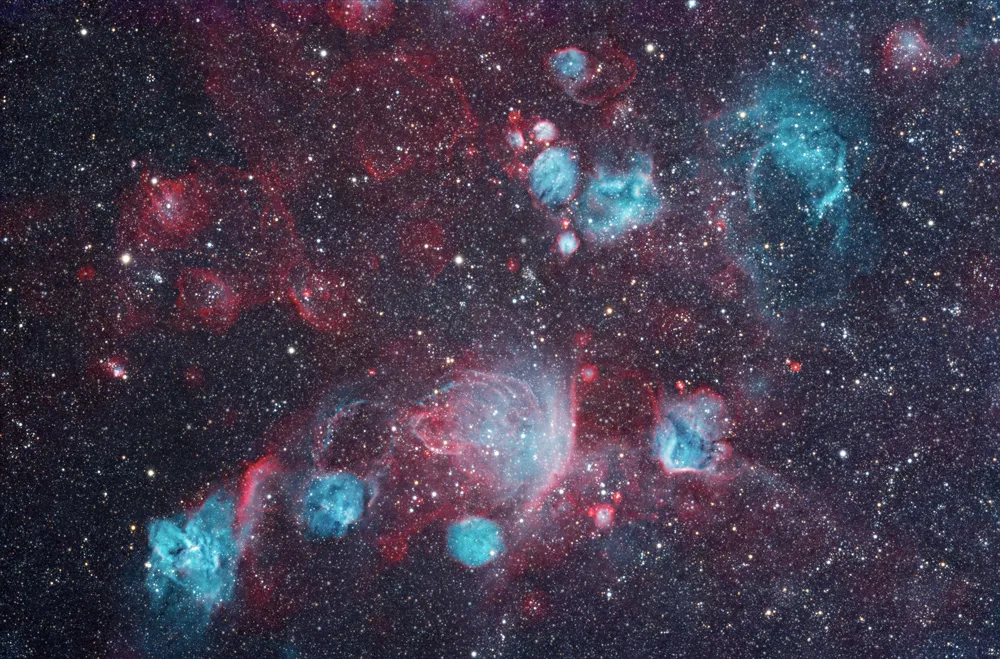
NGC 249 emmision nebula photographed by Richard Harris, a mesmerizing emission nebula nestled in the southern skies of the Tucana constellation. Discovered in 1826 by the illustrious astronomer James Dunlop.
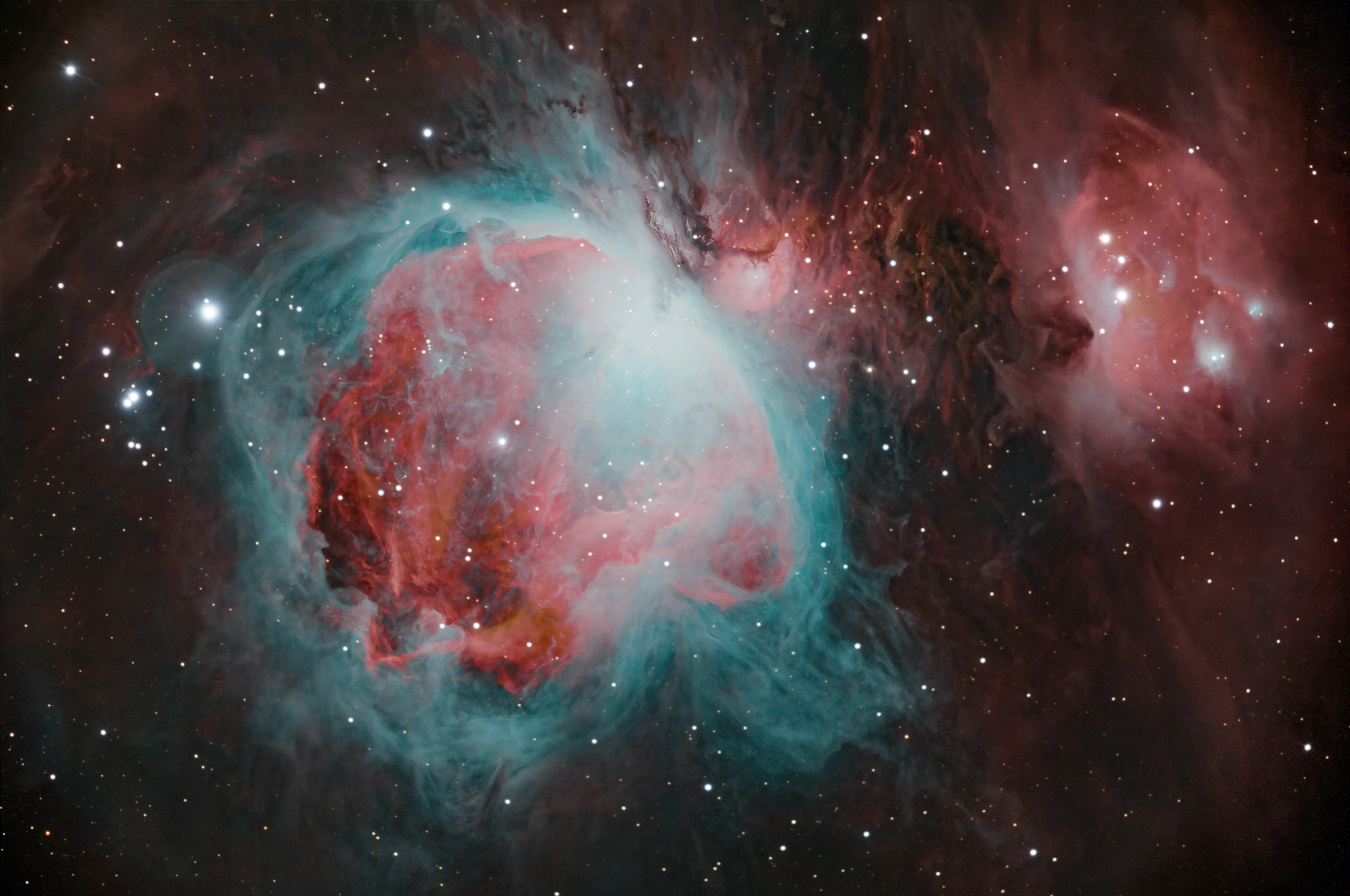
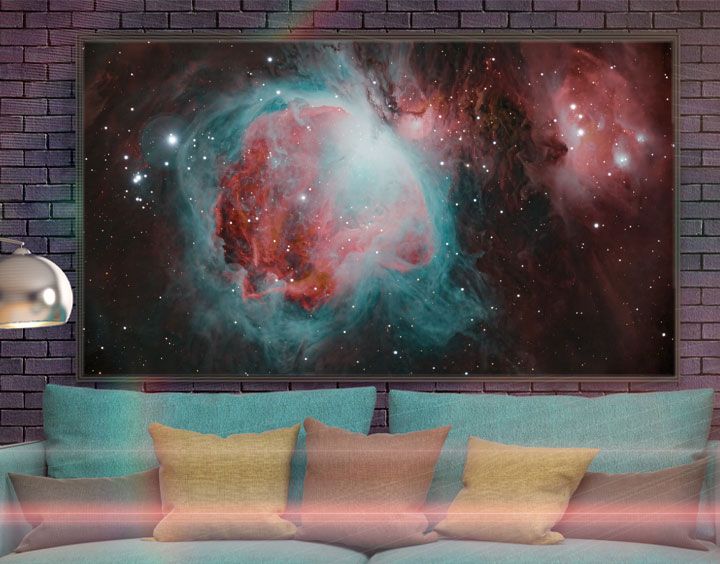
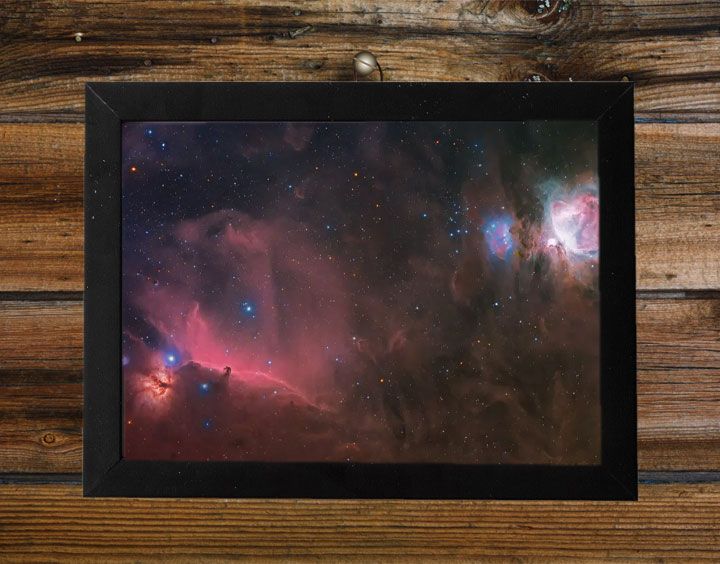
The awe-inspiring beauty of the Orion Nebula M42 is revealed through our latest astrophoto taken with the high-end TEC 180 FL telescope. This image showcases the incredible detail and vibrant colors of one of the most famous celestial objects in the night sky. The TEC 180 FL's superior optics bring out the intricate structures and gas clouds of the nebula, revealing aspects that are often missed in lesser-quality images.
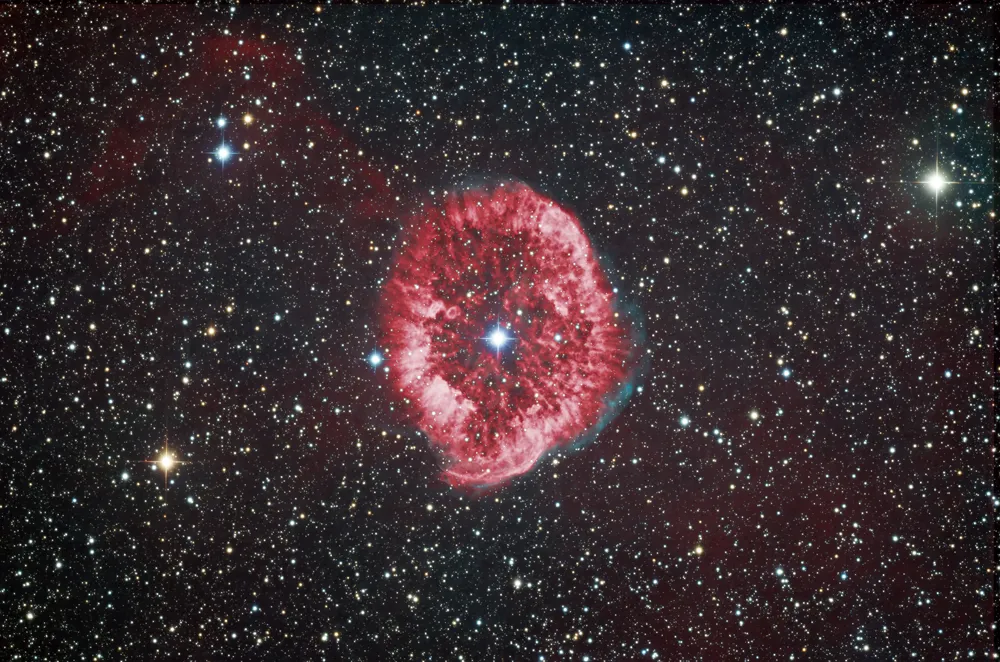
The cosmic beauty of RCW 58, a stunning star captured in our high-resolution astrophotography. This celestial image showcases the intricate details of the star's surrounding nebulosity, revealing the dynamic processes within this distant corner of the universe. Perfect for astronomy enthusiasts and space photography collectors.
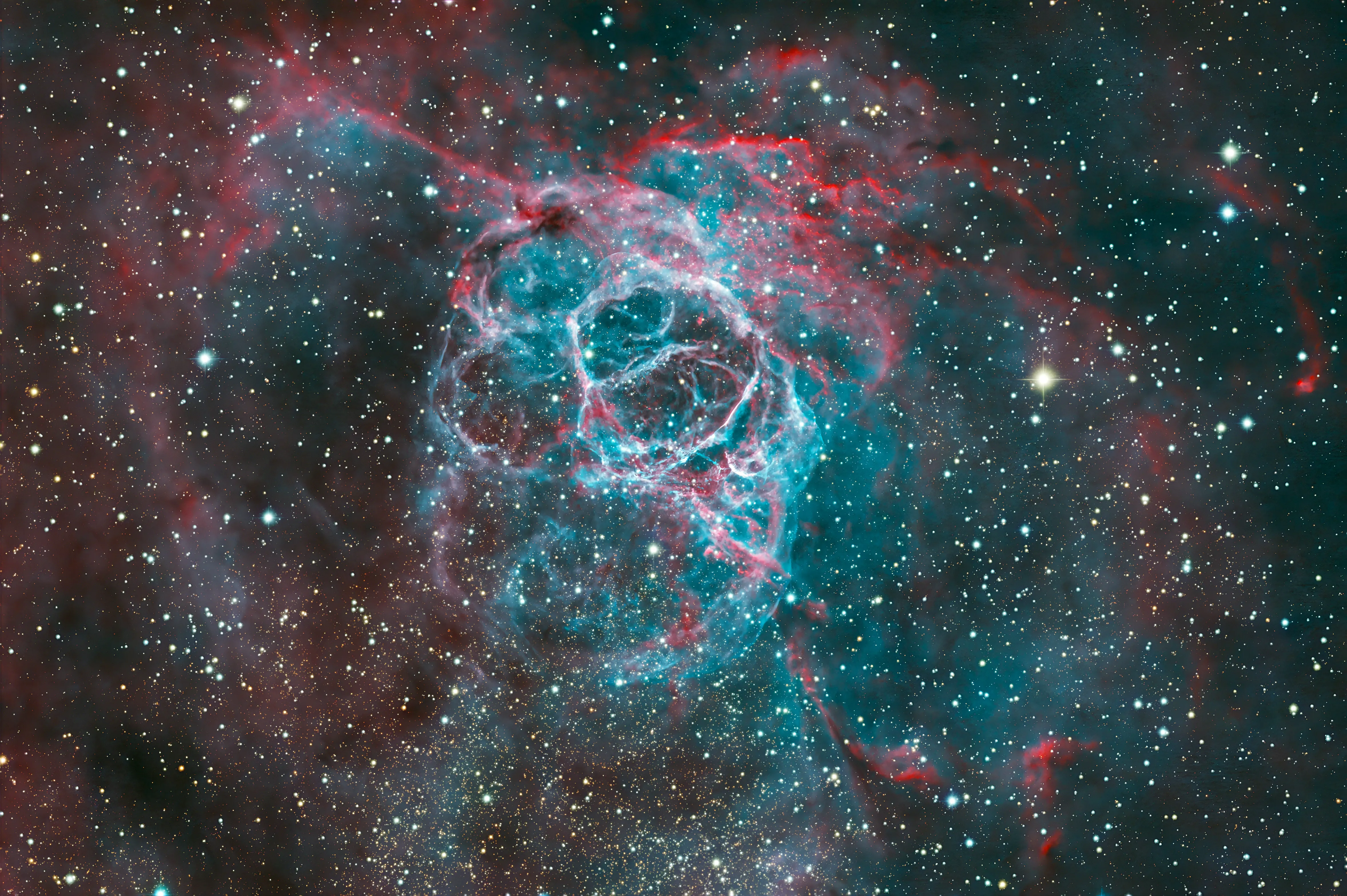
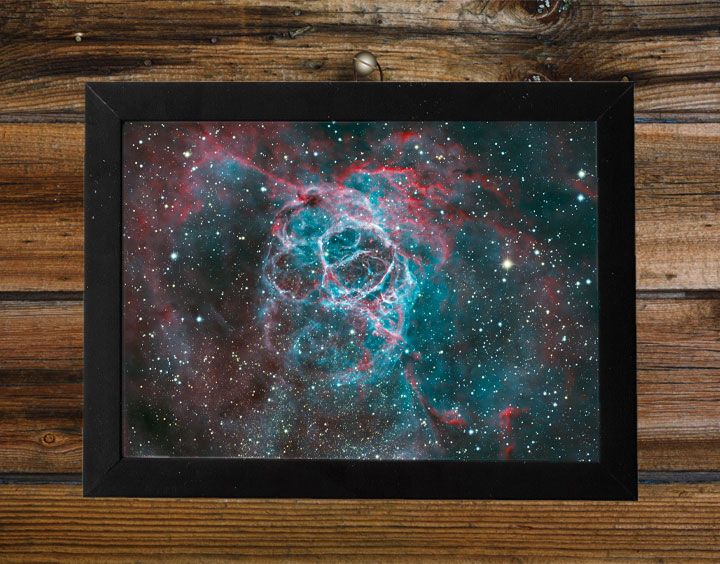
WR 102 is one of the hottest known stars in our universe and it's also among the only Wolf–Rayet stars known to be in our Milky Way galaxy. It has a surface temperatures exceeding 200,000 Kelvin. This astrophoto by Richard Harris of Missouri was taken from a remotely operated observatory in Chile using a CDK24 PlaneWave telescope.
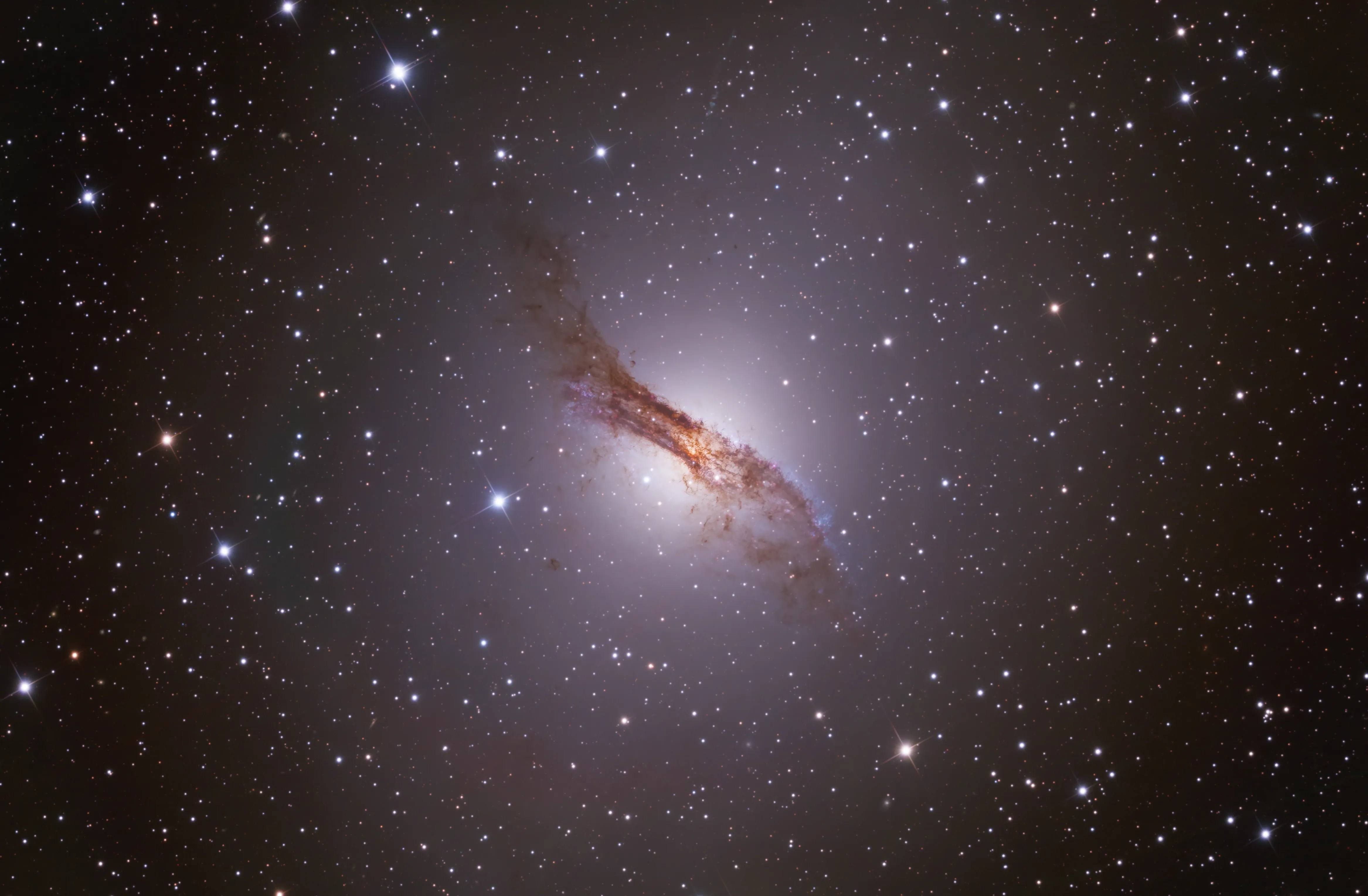
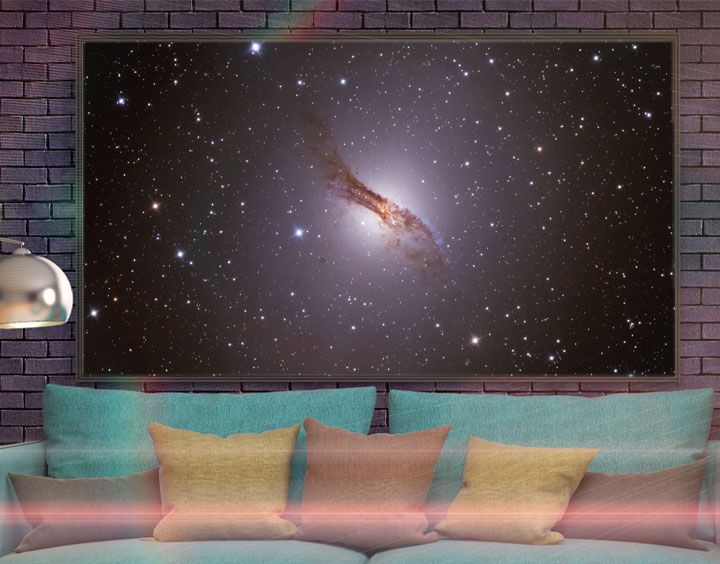
We used photographic data captured from a remote observatory in Chile using the CDK24, a 24" telescope by PlaneWave to capture the the Centaurus A NGC 5128 galaxy.
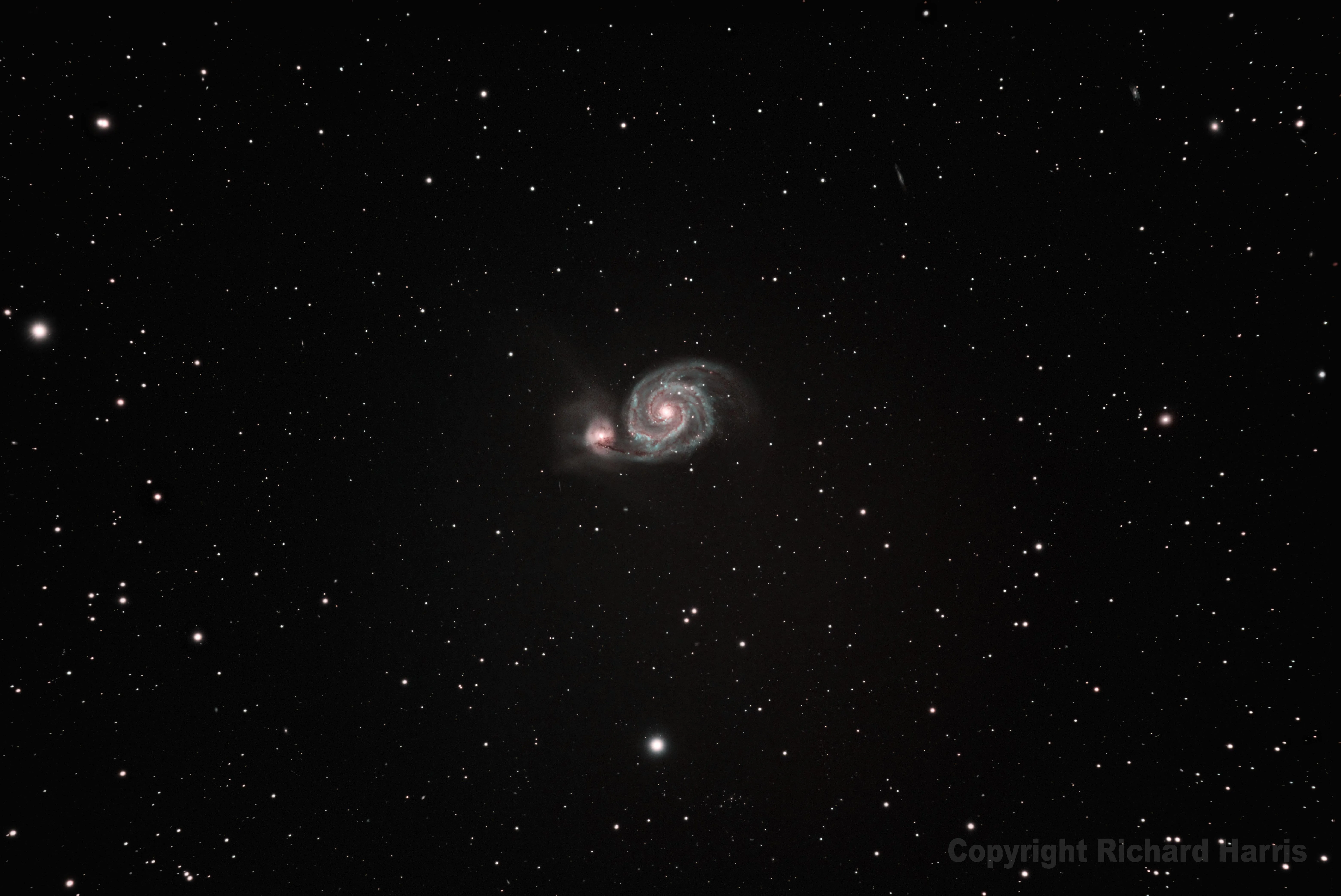
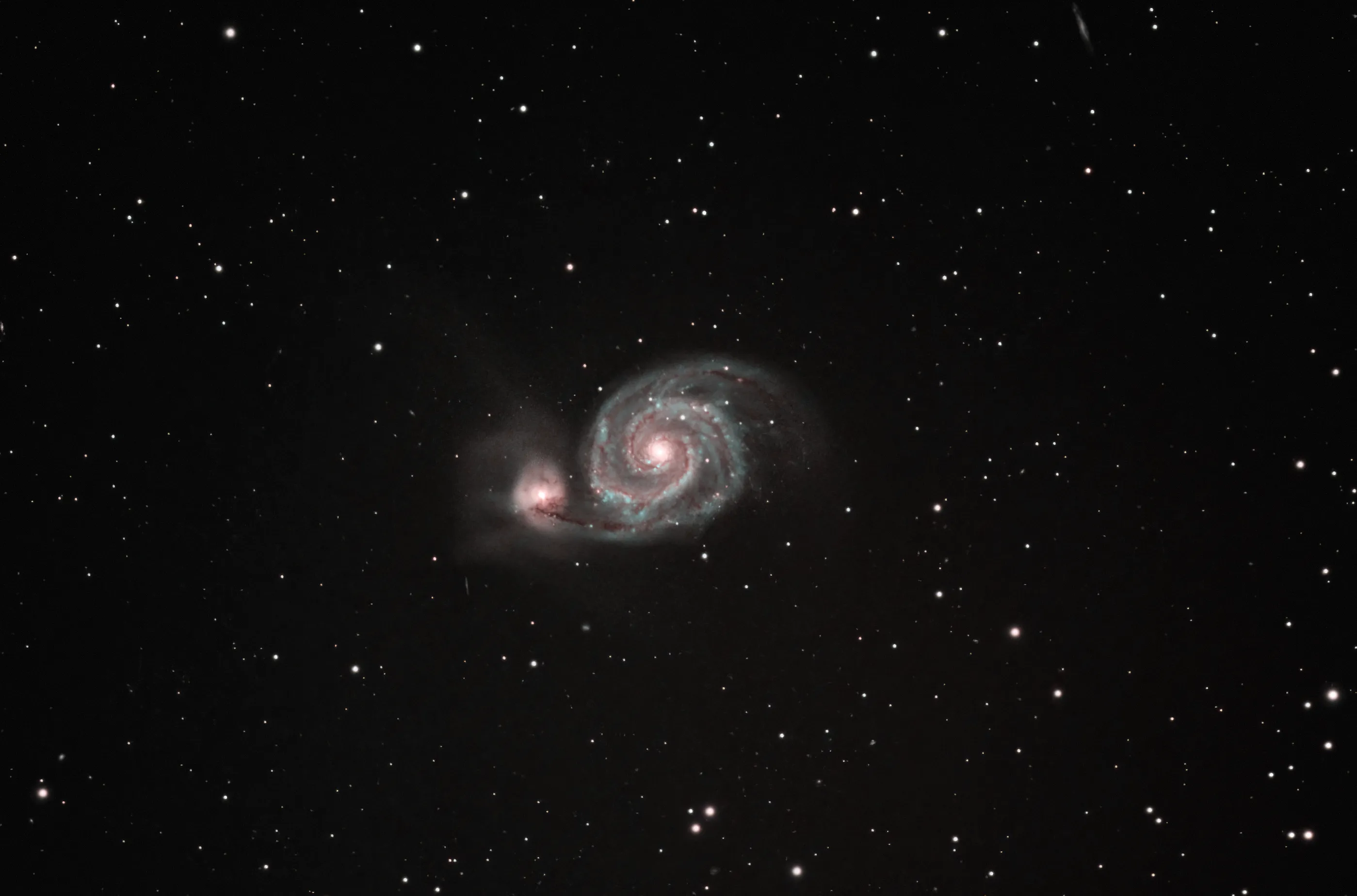
Explore the mesmerizing beauty of the Whirlpool Galaxy (M51) with our detailed pictures, intriguing facts, and precise location guide. Picture taken with a Explore Scientific FCD100 Series 127mm f/7.5 Carbon Fiber Triplet ED APO Refractor Telescope with 2.5" HEX Focuser. Dive deep into the celestial wonders of M51, understand its unique spiral structure, and discover why it's a favorite among astronomers and stargazers alike. Perfect for space enthusiasts and curious minds!
The Ozark Hills Observatory is dedicated to fostering a deep and profound connection between humanity and the God of our universe. Our mission revolves around providing a space for astronomical exploration, education, and appreciation in the serene embrace of the Ozark Hills. With state-of-the-art telescopes and a commitment to preserving the natural beauty of our surroundings, we strive to inspire a sense of wonder and curiosity about the cosmos. Whether you're a seasoned astronomer or a curious novice, the Ozark Hills Observatory invites you to gaze upward, unravel the mysteries of the night sky, and unlock the boundless treasures of our universe.
Social media
Gallery Preview
Newsletter
Enter your email address to get updates from the observatory, including new photo posts.